📖 8 minutes
Author: Dalia Al-Dujaili
Originally published: June 2023, ACV2 Tradition
Photography: Chiara Terrone
Imagery by: Zakia Sewell & Marianne Keating
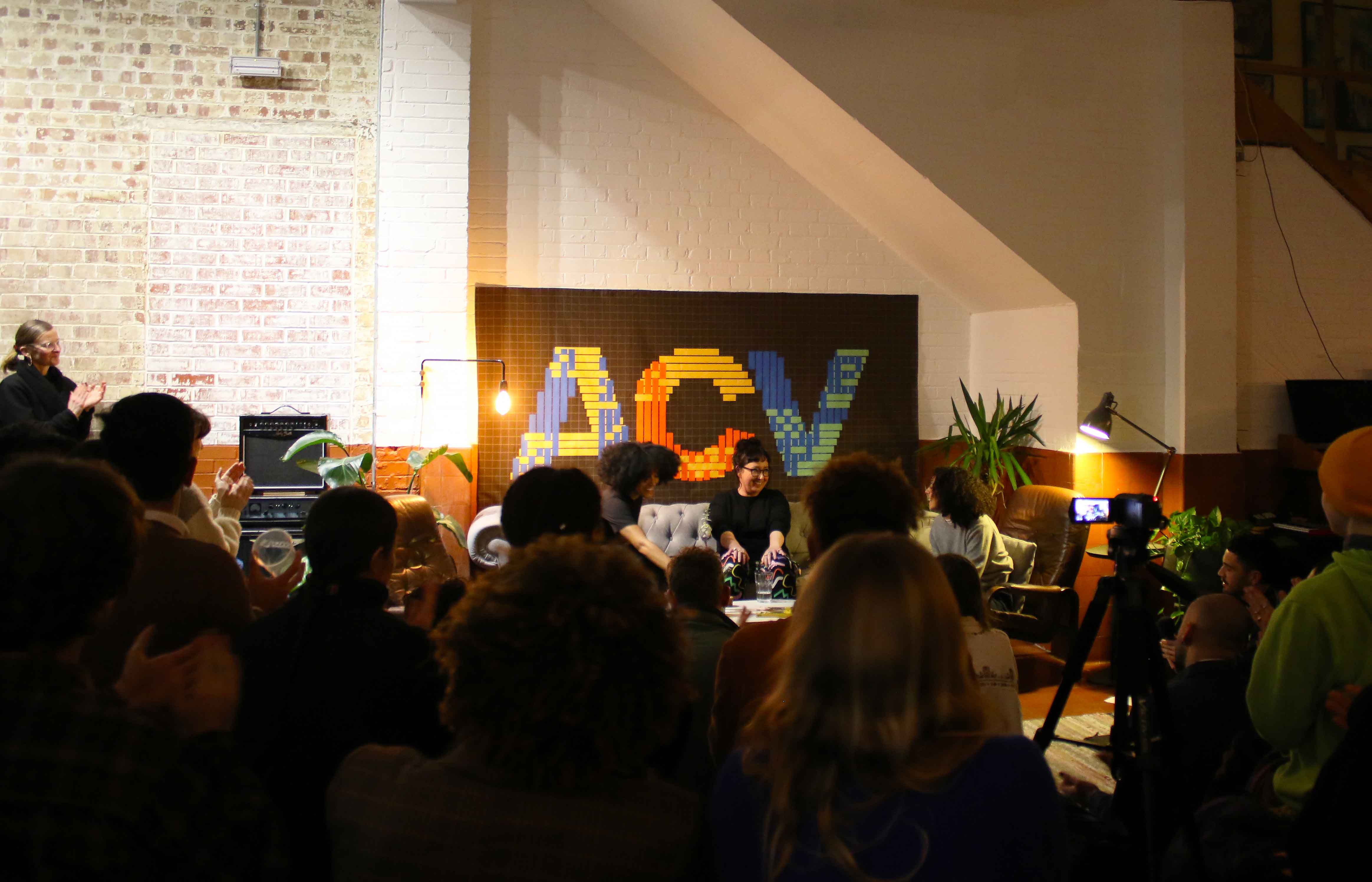
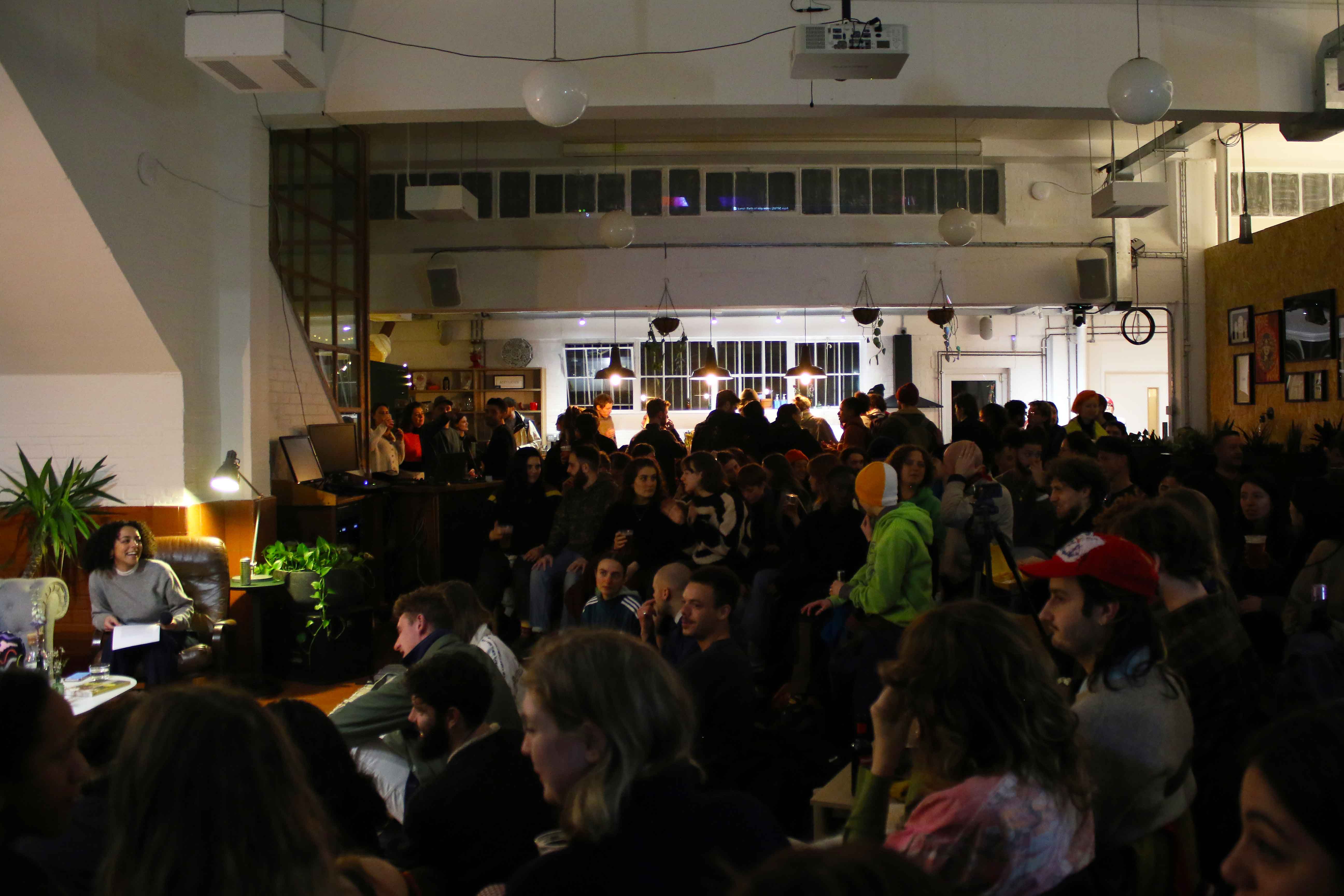
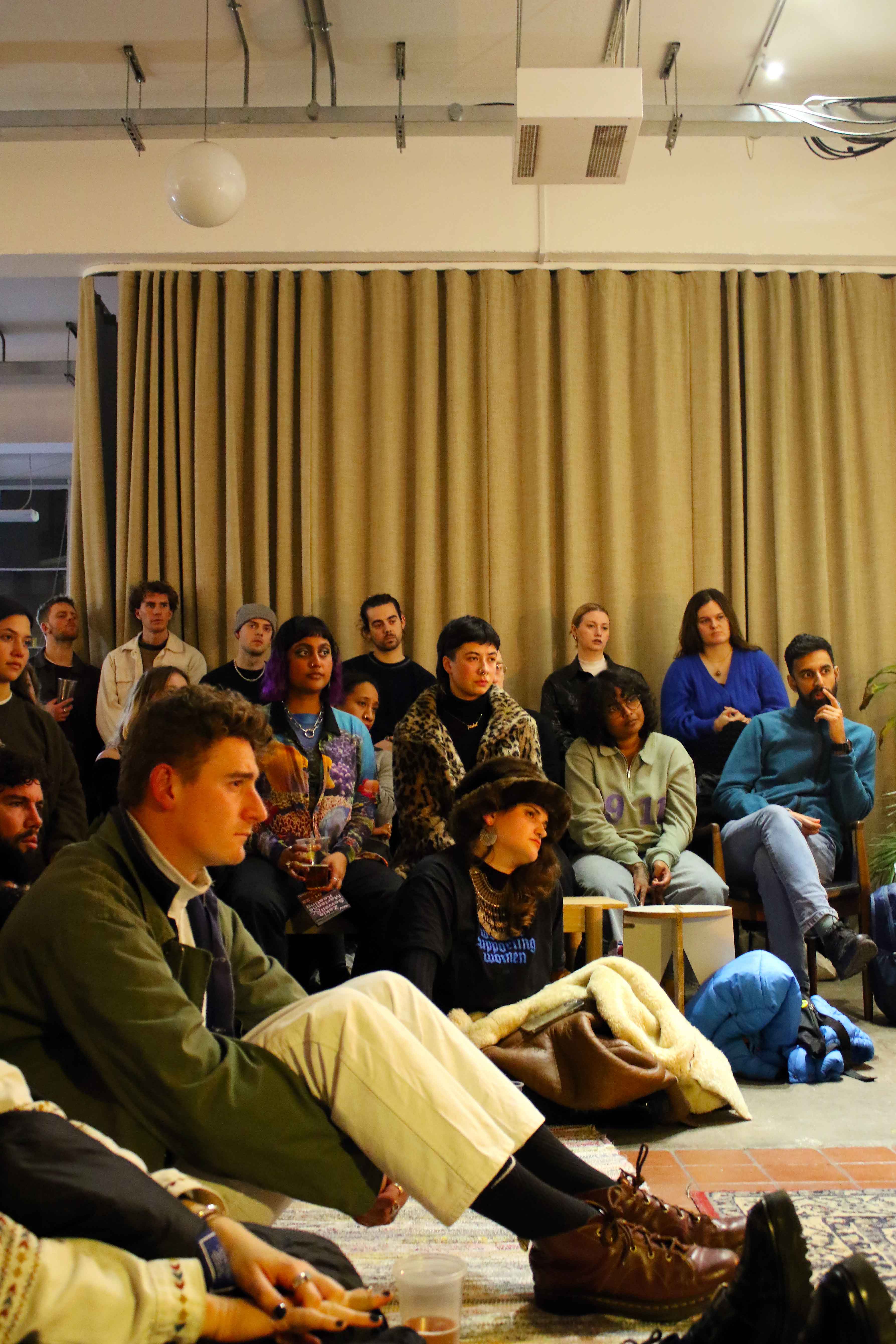
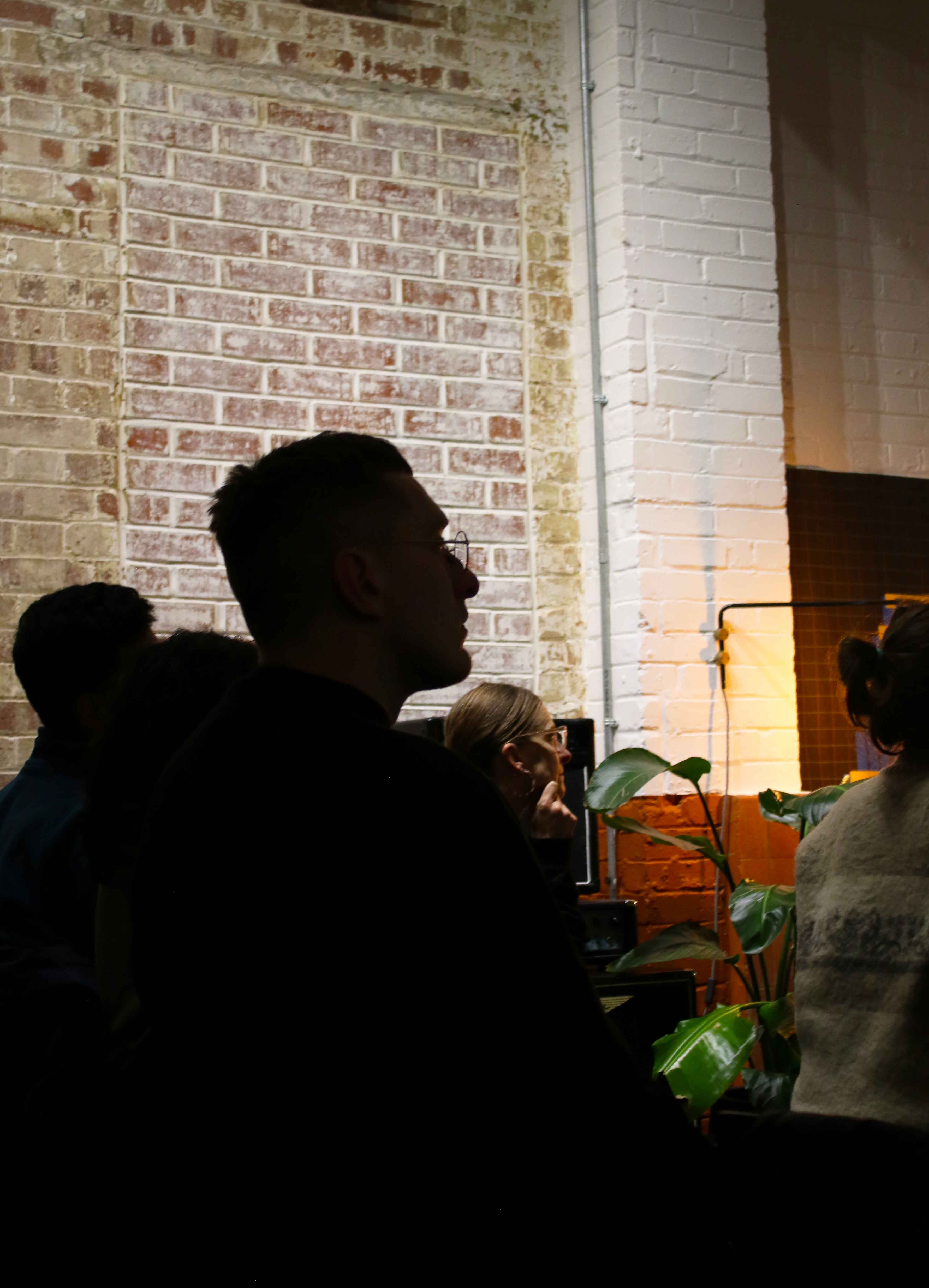
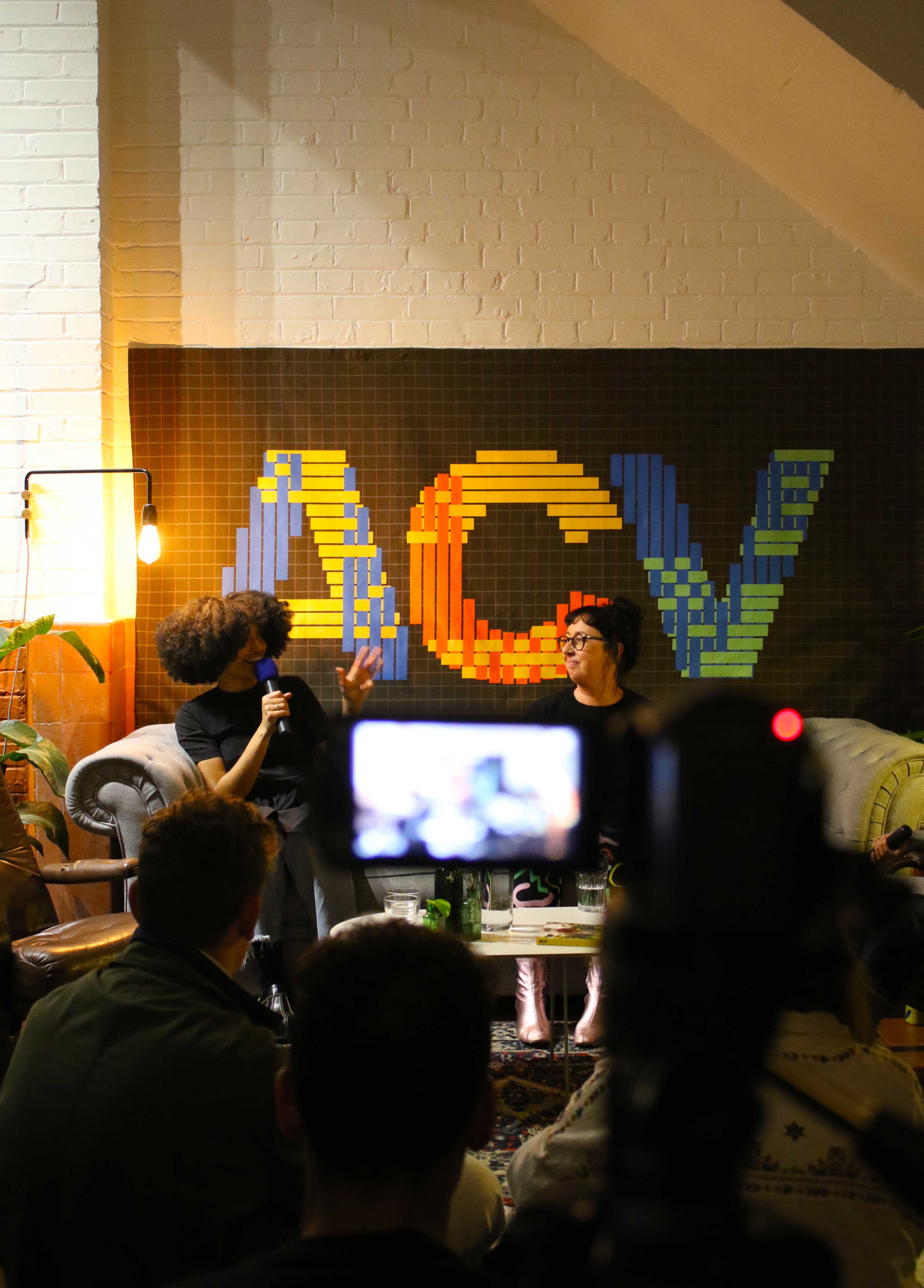
On 24th January 2023, ACV presented Rooted in Place; at The Art House, East London.
Zakia Sewell and Marianne Keating took our audience on a deep dive that explored themes of land, identity, movement – and traced roots through the lens of personal experience and cultural history via some stellar conversation. The conversation was hosted by Dalia Al-Dujaili, and was followed by a private viewing of the installation ‘Roots’ by Indonesian, London-based artist Henri Affandi.
For this print issue of ACV, Dalia Al-Dujaili presents a dissection of the evenings conversation, exploring how marginalised communities use myth and tradition to reclaim land.
Traditions, myth and memory shape the lands we occupy. They can invite a sense of belonging to land, and can act as a source of rooting yourself in something ancient, bigger than yourself and something that is tangible. But fixations with tradition can quickly transpire as nationalistic or possessive attitudes, and we might benefit from asking how we might start to view the traditions of place as modes of understanding, connection and progression, as opposed to romantic reminders of an idealised or distant past. These notions of how nationhood pertains to myth, memory, tradition and land are the very same notions which both Zakia Sewell and Marianne Keating explore to expansive degrees. Which is why it was an honour to facilitate a talk between the two as part of ACV’s Traditions events series earlier this year.
Zakia Sewell, a broadcaster – notably running an NTS Breakfast Show – writer, DJ and producer has long been a lover of English folk-music traditions. Her 2020 series on BBC 4, ‘My Albion’, which explores ideas of Britishness, folk culture, heritage, and empire, attempts to make sense of where her identity fits into Britain as half-Caribbean (her maternal lineage has roots in Carriacou) half-English. With the question of whether folk music could ever ‘belong’ to her underpinning the project, she begins the four part show with Jackie McShee’s ‘The Cuckoo’, a song introduced to her by her father. Zakia tells me that “I belonged to it” as much as “it belonged to me” – she felt drawn to music like McShee’s because “this music spoke of a different kind of Britain – ancient, strange, haunting – different to the one we all experience,” she continues, “something magical and mystical”. Folk music provides the capacity for an alternative Britain, one not so tied to Empire, but to myth and tradition instead, and one we might want to imagine for the future.
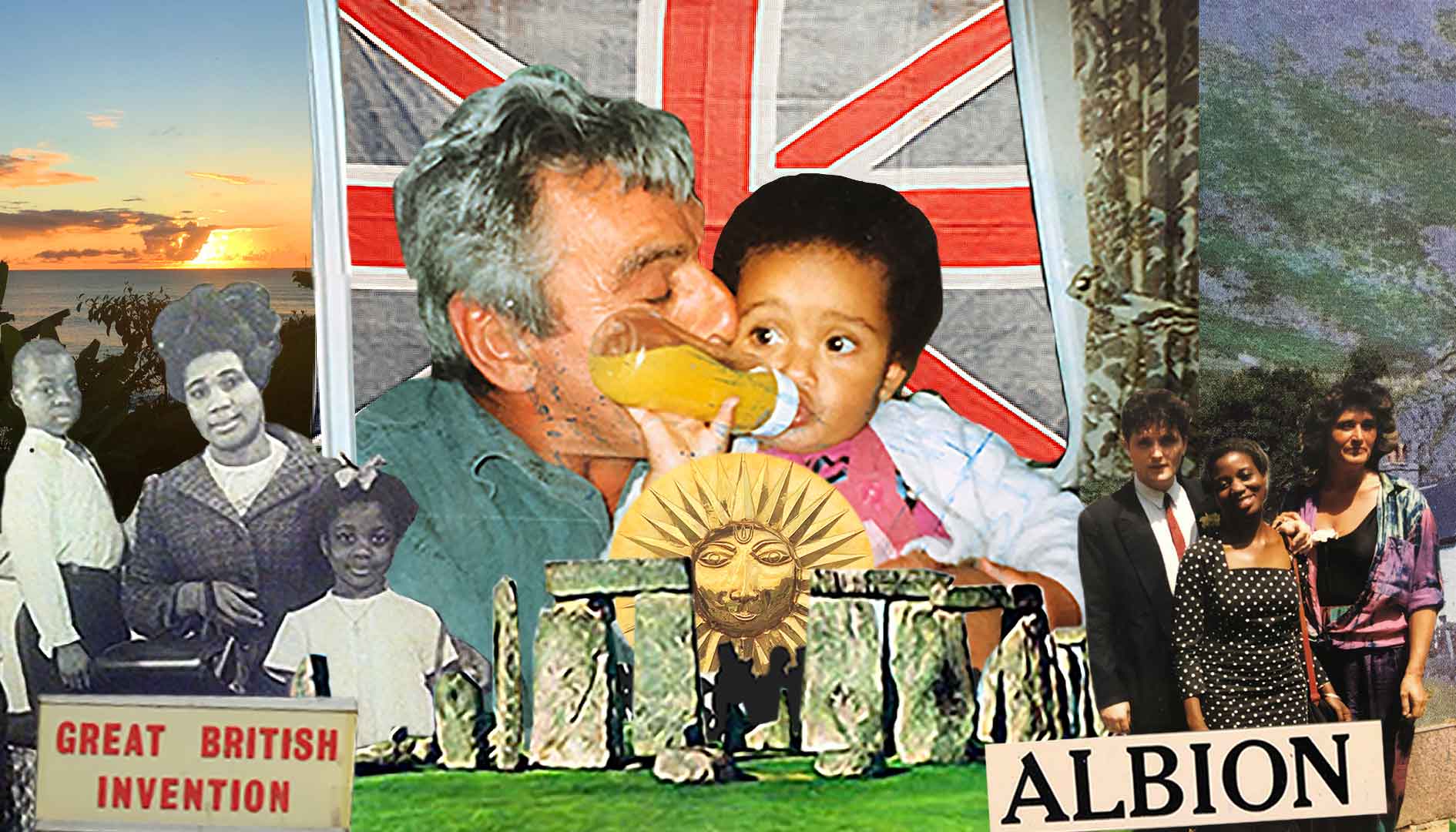

The black British cultural critic Paul Gilroy unpacks ‘postcolonial melancholia’; “an inability to face up to the end of empire and an attachment to some symbols of the past historic ideas about Britishness”, says sociologist Ben Pitcher in ‘My Albion’, of which the ‘two world Wars and one World Cup’ football-chant mentality is an extension of. Other echoes of this postcolonial melancholia, Pitcher argues, can be witnessed in the Brexit leave vote – “a demand to take back control. We can see it in the tweets that Nigel Farage was sending out this summer where he rails against what he calls an invasion of immigrants.” Pitcher believes these examples invest in a fantasy of Britishness which necessitates enemies, migrants in Farage's case and historically British people of colour, creating an “exclusionary version of national identity. And I think one of the things that we’re beginning to be able to do is to recognise this is just one version of the past. It's one set of stories, and we can show that these stories are partially fantasies of Albion”, fed by myths and legends syphoned by those in positions of power.
Growing up between Hounslow and the hills of Wales, Zakia found that becoming more aware of the pagan calendar, celebrating the solstices, and noting days like imbolc, the pagan first day of spring or the midpoint between the equinoxes, helped her reconnect with nature and land when she couldn’t physically access it. Relying on traditions that are not only informed by land and the natural elements, but are indeed in worship of them. Following the lunar phases, for example, to be her measure of time, challenging capitalist or consumer holidays like Christmas and Halloween, and reconnecting to the Earth’s cycle.
For her, English folk music has never been only about the English. It has also been informed by British people of colour and foreign influences. “Folk music is incredibly diverse… Pentangle were influenced by jazz music, with a jazz drummer and jazz bassist,” Zakia reminds us, also noting Davey Graham, the notable folk-blues guitarist of the ‘60s who was half Guyanese. And it’s not only individuals who add colour and nuance to music and art styles – music itself is in constant migration, pushed into states of evolution by less favourable activities like colonialism but also natural human migrations, trade, and travel. Sea shanties, for example, were brought over by way of the Caribbean, and borrow the call-and-response singing structure from the West coast of Africa. And when the Irish landed in the United States by their thousands, escaping famine, conflict and a poor economy, they fused their jigs with West African step dances, and tap dancing was born, before being nurtured in New York City, “where a variety of ethnic groups lived side by side under crowded conditions” writes Rusty Frank. In this sense, cultural products like music, food, dance and literature could never really belong to just one group of people.
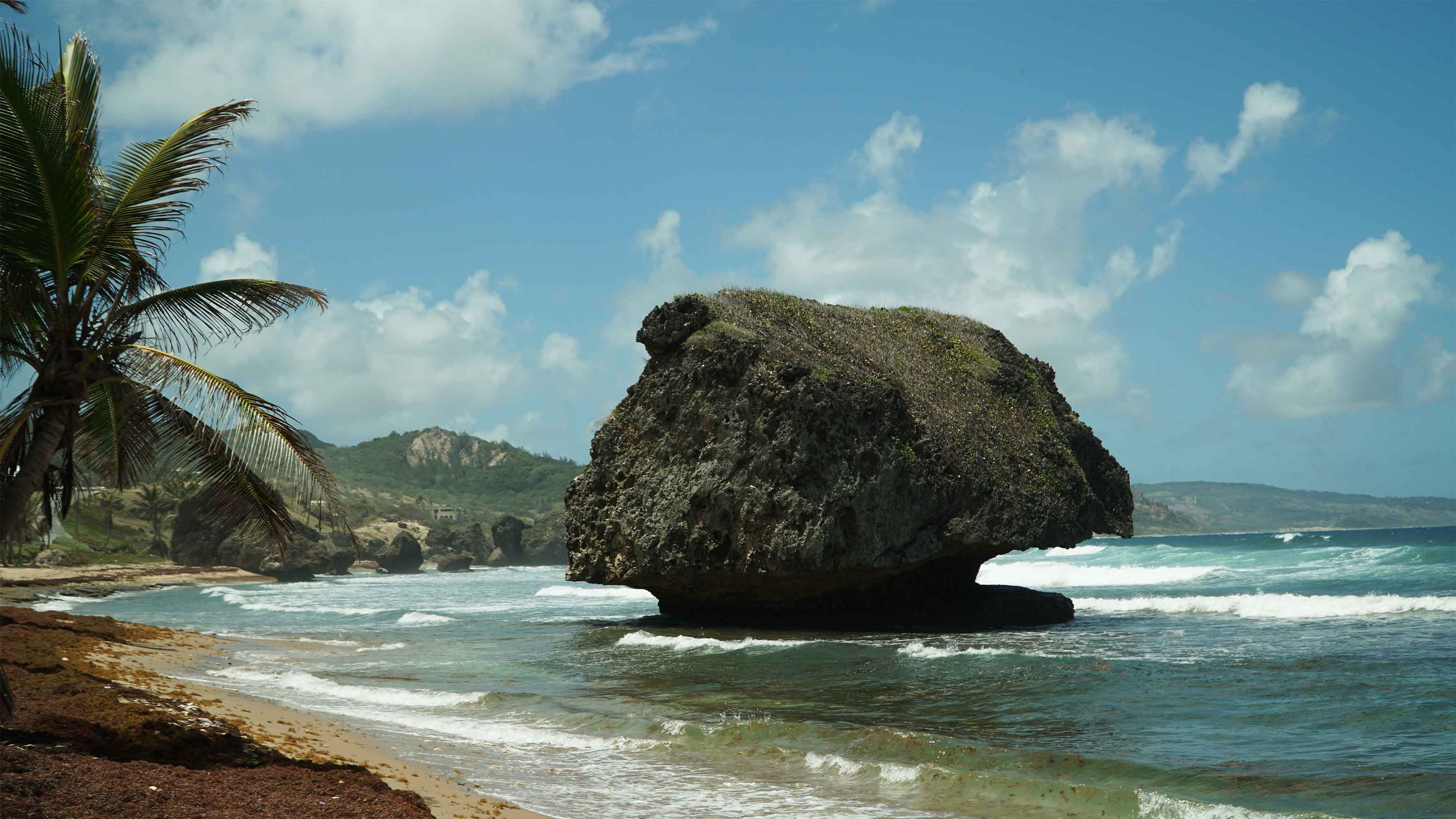
During her many research trips to Jamaica, Marianne Keating found more than just traces of an Irish past embedded into the land and the culture. An Irish artist based in London, Marianne was shortlisted to represent Ireland in the 2022 Venice Biennale and has exhibited extensively throughout Ireland and internationally. In works like ‘They Don’t Do Much in the Cane-hole Way’ and ‘Land- Path of Migration’, Marianne highlights the mostly forgotten history of the migration of Irish indentured labourers in post-abolition Jamaica. As she says “The economic hardships of Irish Catholic people under British Colonial Rule offered a fertile ground for recruitment. Many Irish committed to Indenture, a system where the migrant worker was bound by a signed contract to work for a fixed period of time in return for passage, housing and provisions.” The push factors of the socio-political and economic conditions of the Irish in Ireland were further exacerbated by crop failures and the initial stages of the famine in the 1840s during the English colonial rule across Britain and Ireland. In the former film work, Marianne meets Wilvie, whose family settled in Jamaica almost 200 years ago and still live in the same village where they initially settled.
Many words from the Irish language, Gaelic, are used within Jamaican patois, explains Marianne, and during her time researching in Jamaica, she started to notice place names related to places like her home town of Clonmel, a small town of 15,000 people. “There's a lot of place names that were more associated with Irishness in relation to, I suppose, the Catholic Irish as opposed to Anglo-Irish such as Knockpatrick and Irish Town,” the artist continues. It was from that point that Marianne started to try and pull at these threads. It had been acknowledged that the Irish had gone to Jamaica at some point, but Marianne struggled to find the exact history because when she returned to England and Ireland; “I struggled to find academic texts written about Irish migration to Jamaica,” she says. She spoke to Irish historians who claimed the Irish never went to Jamaica, and her research was redirected to Barbados, nearly two thousand kilometres away from Jamaica. But Marianne had witnessed that the Irish presence had been preserved on the island, “and I began to investigate these lingering, expanded archival impulses. I began to voice what has been previously rendered mute and create an intervention into the archive that propels an overlooked area of Irish and Jamaican history,” she continues on demonstrating the need to reclaim Irish-Jamaican narratives.
The history Marianne’s work revives is fascinating in its ability to feed the idea that people are not necessarily ‘from’ places in the binaristic way we believe heritage to operate. As philosopher and writer Édouard Glissant discusses, créolité creates a third space, “a native or vernacular space, marked by the fusion of cultural elements drawn from all originating cultures, but resulting in a configuration in which these elements, though never equal, can no longer be disaggregated, since they have been permanently ‘translated’.”

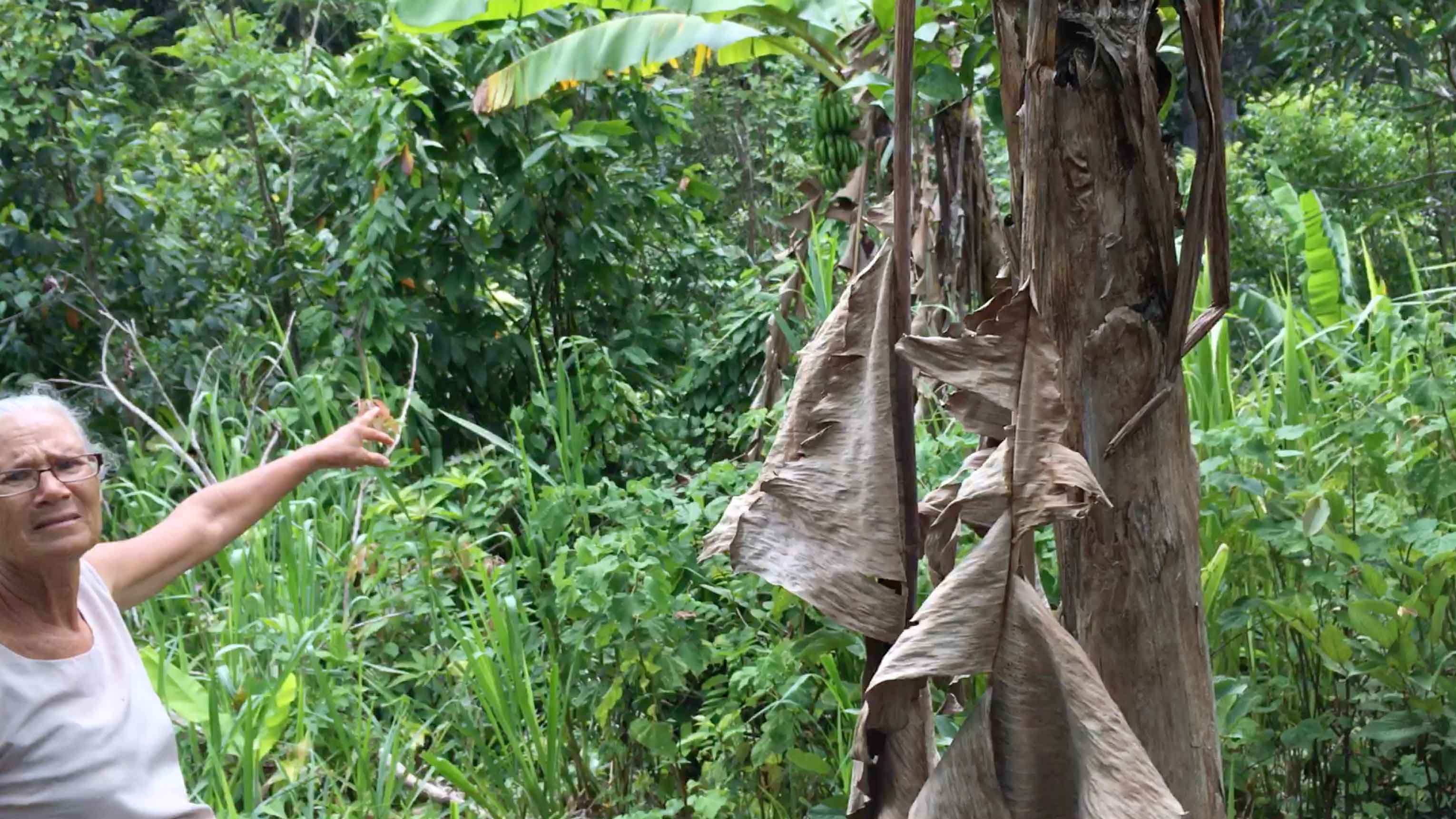
And to echo journalist Sonia Shah, “By describing peoples and species as ‘from’ certain places, we invoke a specific idea about the past,” she writes in The Next Great Migration. This attitude traces back to the eighteenth century, when European naturalists first started cataloguing the natural world and named creatures and peoples based on the places they were sighted in because they assumed peoples and wild creatures hadn’t moved with time, conflating land with the identity of a being. Born and raised in Jamaica, Wilie’s family arrived in post-abolition Jamaica with nearly two centuries of ancestral connection to Jamaican soil, Wilie has roots in both Ireland and Jamaica, belonging to both and neither in the same way that many diasporic individuals, and indeed most individuals including the non-human around the world, exist.
To heal from the trauma of colonial pasts, both Zakia and Marianne endeavour to give voice to the ghosts of the past, “but this is not just about going back. This is about actually moving forward”, says Zakia. But it’s hard to give voice to something that is almost undocumented. Ireland lost nearly 95% of all archives during the Irish Civil War in 1922. “So we don't have records of people that left Ireland for different reasons or who lived where,” says Marianne. The period that followed the famine in the 1850s was ominously called ‘the silence’. The Irish population lost around a million to famine and death and another million to migration, and their 4.5 million population today still hasn’t recovered in Ireland from their 8.4 million pre-famine.
For Britain, acknowledging trauma from colonial eras is a sticky exercise that not many – especially those who still benefit in ways small or great from Britain's Imperial pursuits – are willing to engage with. Most of the symbols and stories about Britain are emblematic of empire. They are tools to remind us of Britain's power across lands and seas, and for marginalised communities in Britain, reminders of their oppression by such power in their homelands. Zakia suggests that in order to move past the colonial identity of Britain, there has to be a willingness to lose something in order to gain something greater in reward. Of course, that is difficult to do when there are no plausible alternatives.
In ‘My Albion’, the academic Alex Niven tells Zakia that “England’s sacrificed its identity and sold its soul to this sense of Britishness and this wider sense of empire… once you get too powerful, you lose this sense of soulfulness, that sense of identity that you get in opposition to power.” We think of British traditions and images of street parties, Royal weddings, coronations and the national anthem are conjured – “Britannia Rule the Waves”. As Marianne and Zakia both illustrate to an astoundingly clear degree, British identity is as much about foreignness as it is about nativeness – it is entirely defined by brutal activity abroad without direct reference to this reality.
The land holds memory, Zakia and Marianne tell us that much is true, and one of the ways it carries its memory is through myths and tradition. These stories can also be one of the ways to heal this land. For the Irish, whose very soil acted as both a perpetrator of displacement and as a victim of colonial enterprise, the land is sacred in maintaining a sense of dignity in Irish identity. It seems that Irish identity, although rightly proud of itself, is also not regarded as precious in the same toxic ways that dominant ruling classes of society are over their identities. The Irish communities Marianne highlights in her work have allowed – whether by choice or force – for their identity to flow generously into their adopted Caribbean host lands. The Pagan myths Zakia digs up in her work serve to remind us what a new Britain could look like if it embraced its past, and that means looking into the face of its ugly history too. In that sense, the homeland of the British could truly feel like home for all that enjoy the bounty of the land. What is a homeland anyway, if ‘home’ is always changing? Perhaps it is a land that celebrates you as you are, instead of making you feel ashamed for what you are not. Perhaps it is a land that welcomes you with open arms, but doesn’t hold on too tight, changing and growing and moving as you do so.
Dalia is a British-born Iraqi writer, editor, and producer based in London. She is mostly interested in writing and commissioning stories on emerging creativity from the SWANA region and diaspora, migrant narratives, and reporting on community-led stories from the margins. She has been profiled and featured in VOGUE Arabia, GQ Middle East, New York Magazine, Stylist and more.
@dalia.aldu


Be the first to know our news.
No spam, ever. We promise.
2026 © Studio ACV
ACV is a registered C.I.C / Community Interest Company no. 15516492
For general enquiries:
info@acvmag.com